

There is no question that climate change has reached every corner of the world. With the latest COP28 held in Dubai having just concluded in December, it remains undetermined whether the climate negotiations will be sufficient to meaningfully take critical climate action to prevent further irreversible damage to our planet.
While the explicit mention of “fossil fuels” is unprecedented compared to previous conferences, there was opposition about its inclusion, as well as the language used, rejecting “phase out”, considering “phase-down”, and eventually settling on “transitioning away”. Climate negotiations made are not legally binding, although they send a signal to the direction governments should take and the kinds of policies they should adopt.
Is this enough? Climate researchers, humanitarian agencies, and vulnerable countries and island nations would say no.
The International Rescue Committee and World Resource Institute listed ten countries most at risk of climate disaster due to the regions where they are located, political instability, and economic crises that contribute to fragile healthcare systems and food insecurity. Millions of people were displaced by the February 2023 Türkiye-Syria earthquake, hundreds were killed and entire villages were destroyed by the May 2023 flooding and landslides in South Kivu, DRC, and 24 million Ethiopians are facing food insecurity, not just due to severe drought, but because they rely on grain exports from Ukraine.
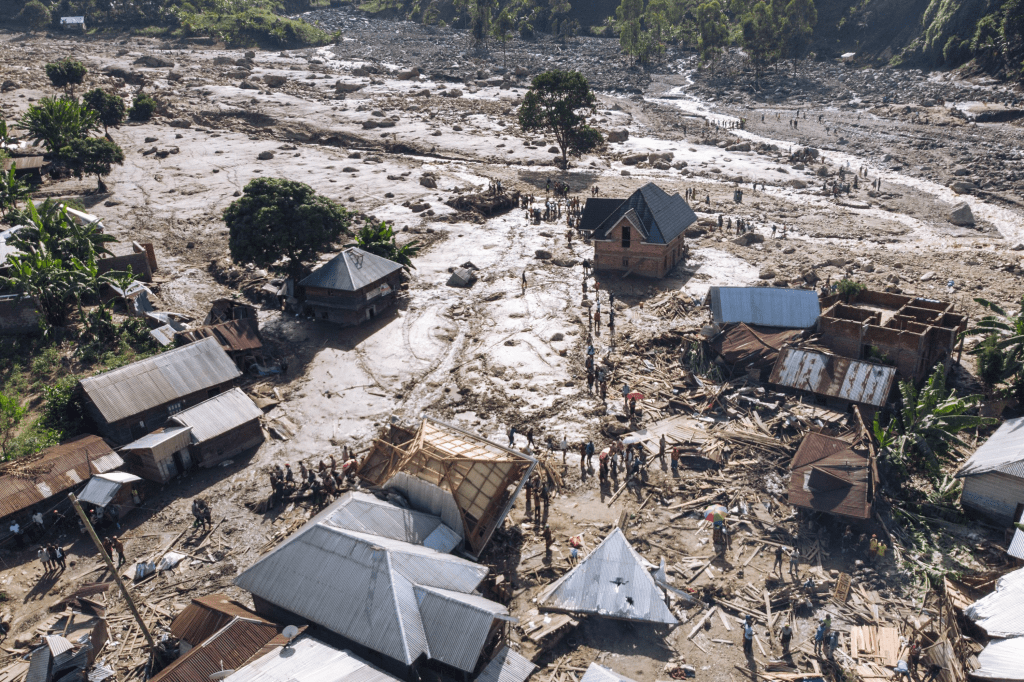
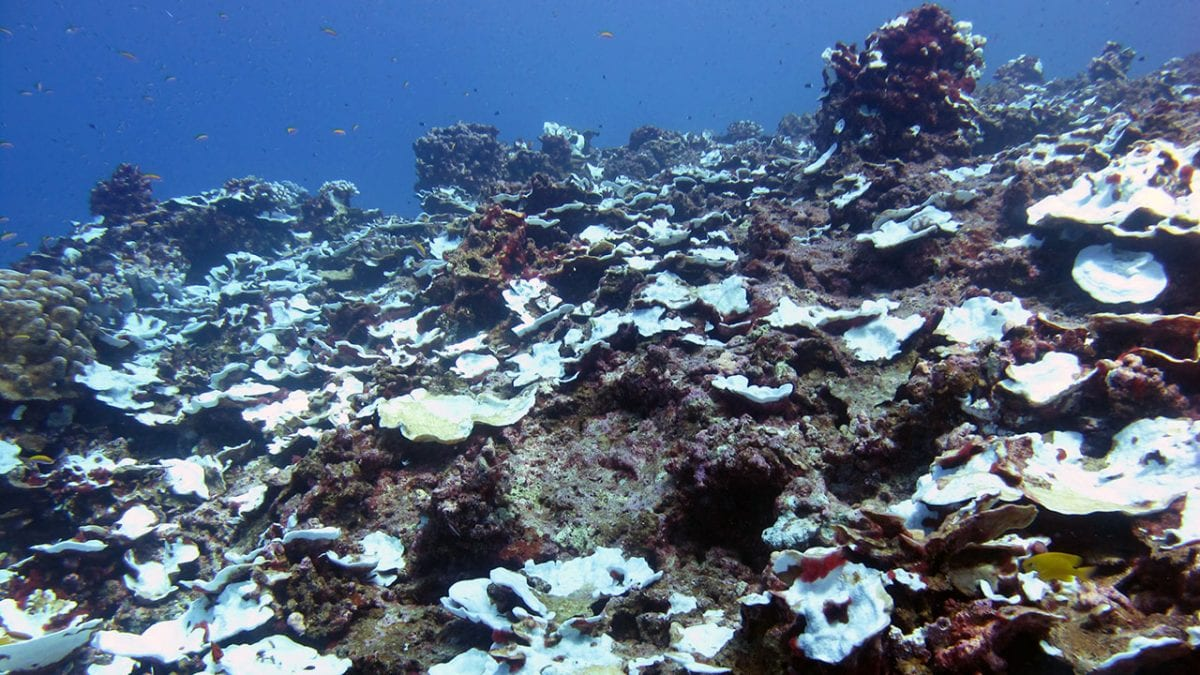
The COP28 negotiations notably excluded the input and feedback of the Pacific Island states, who are on the frontline of the climate crisis. The small island states in the Pacific contribute a negligible 0.03% of global greenhouse gas emissions, yet are the first to experience the effects of climate change, including but not limited to rising sea levels, coastal erosion, storm surges, and flooding. Their livelihoods and marine ecosystems are also at stake, with marine heatwaves leading to coral reef bleaching and deaths.
This decision is a betrayal of the vulnerable communities who have relentlessly advocated for a swift and fair fossil fuel phaseout.
Shiva Gounden, the head of Pacific at Greenpeace Australia Pacific, on the COP28 agreement
So what’s next? “An agreement is only as good as its implementation,” as President of COP28 Al Jaber stated. We’ll have to wait to see if countries that are still heavily dependent on fossil fuels will put words into action and transition away from Big Oil and meaningfully shift toward renewable energy sources and energy efficiency.
 A Healthy Blueprint
Leave a comment